

Ultrasound imaging, also known as sonography, has revolutionized the field of medical diagnostics by providing a safe and non-invasive way to visualize internal structures of the human body. In this comprehensive guide, we will delve into the basics of ultrasound imaging, shedding light on its principles, applications, and significance in the realm of medical diagnostics. Specifically, we will explore the role of ultrasound technology in the context of Ultrasound Lab in Rohini, offering insights into its applications and importance in healthcare.
Understanding the Principles of Ultrasound Imaging:
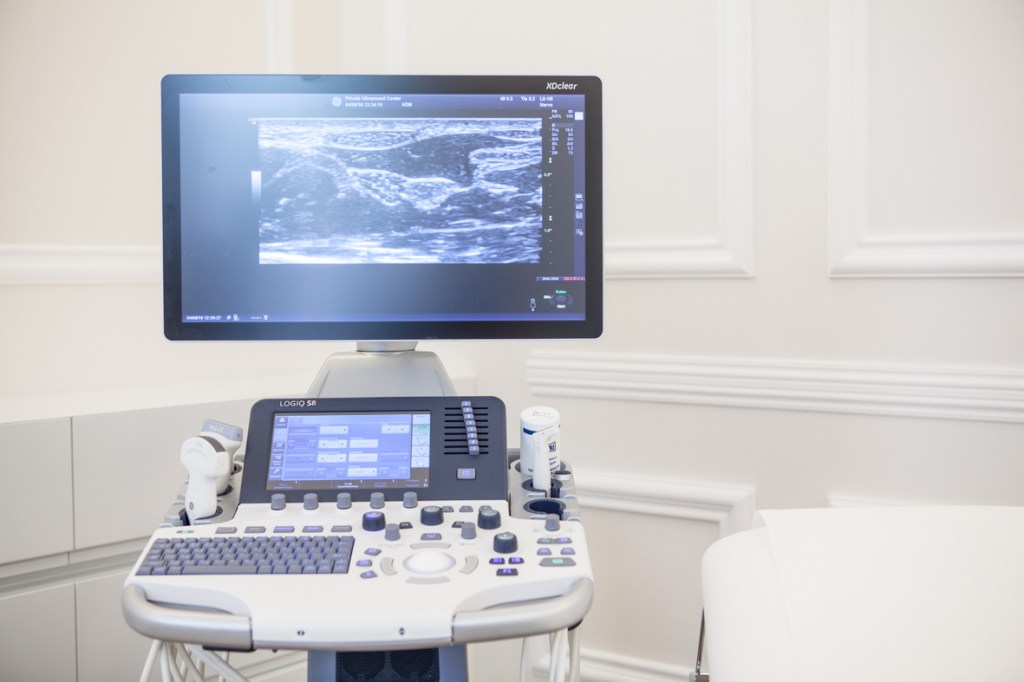
At its core, ultrasound imaging relies on the principles of sound waves to create detailed images of internal organs and tissues. A transducer, a device that emits and receives ultrasound waves, is placed on the skin and directed towards the area of interest. When these waves encounter different tissues, they bounce back, and the transducer converts these echoes into electrical signals. The computer then processes these signals to generate real-time images.
Applications of Ultrasound Imaging:
Obstetrics and Gynecology: Ultrasound plays a crucial role in monitoring fetal development during pregnancy. It allows healthcare professionals to visualize the fetus, assess its growth, and detect any potential abnormalities.
Abdominal Imaging: Ultrasound is widely used to examine abdominal organs such as the liver, kidneys, gallbladder, and pancreas. It aids in the diagnosis of conditions like liver cirrhosis, kidney stones, and pancreatic disorders.
Cardiac Ultrasound: Echocardiography, a specialized form of ultrasound, is employed to assess the structure and function of the heart. It helps in diagnosing cardiac conditions and monitoring heart health.
Musculoskeletal Imaging: Ultrasound is valuable for imaging muscles, tendons, ligaments, and joints. It is commonly used in sports medicine to diagnose and monitor injuries.
Vascular Imaging: Doppler ultrasound, a technique that assesses blood flow, is utilized in vascular imaging to detect blockages, aneurysms, and other circulatory issues.
Significance of Ultrasound Lab in Rohini:
Ultrasound technology has become an integral part of the healthcare landscape in Rohini, offering residents access to state-of-the-art diagnostic services. The Ultrasound Lab in Rohini caters to a diverse range of medical needs, providing accurate and timely imaging services. Patients benefit from the expertise of trained professionals who use advanced ultrasound equipment to ensure precise diagnostics.
Challenges and Considerations:
While ultrasound imaging is generally considered safe, certain factors such as patient body habitus and the presence of gas can affect image quality. It is essential for healthcare professionals at the Ultrasound Lab in Rohini to address these considerations and optimize imaging conditions for accurate results.
Conclusion:
In conclusion, this introductory guide has provided a comprehensive overview of the basics of ultrasound imaging. From understanding the underlying principles to exploring its diverse applications in medical diagnostics, ultrasound technology has emerged as a cornerstone in modern healthcare. In the context of Rohini, the Ultrasound Lab in Rohini stands as a testament to the integration of advanced medical imaging services into the local healthcare infrastructure, contributing to improved patient outcomes and well-being.

 OnePLUS Ultrasound